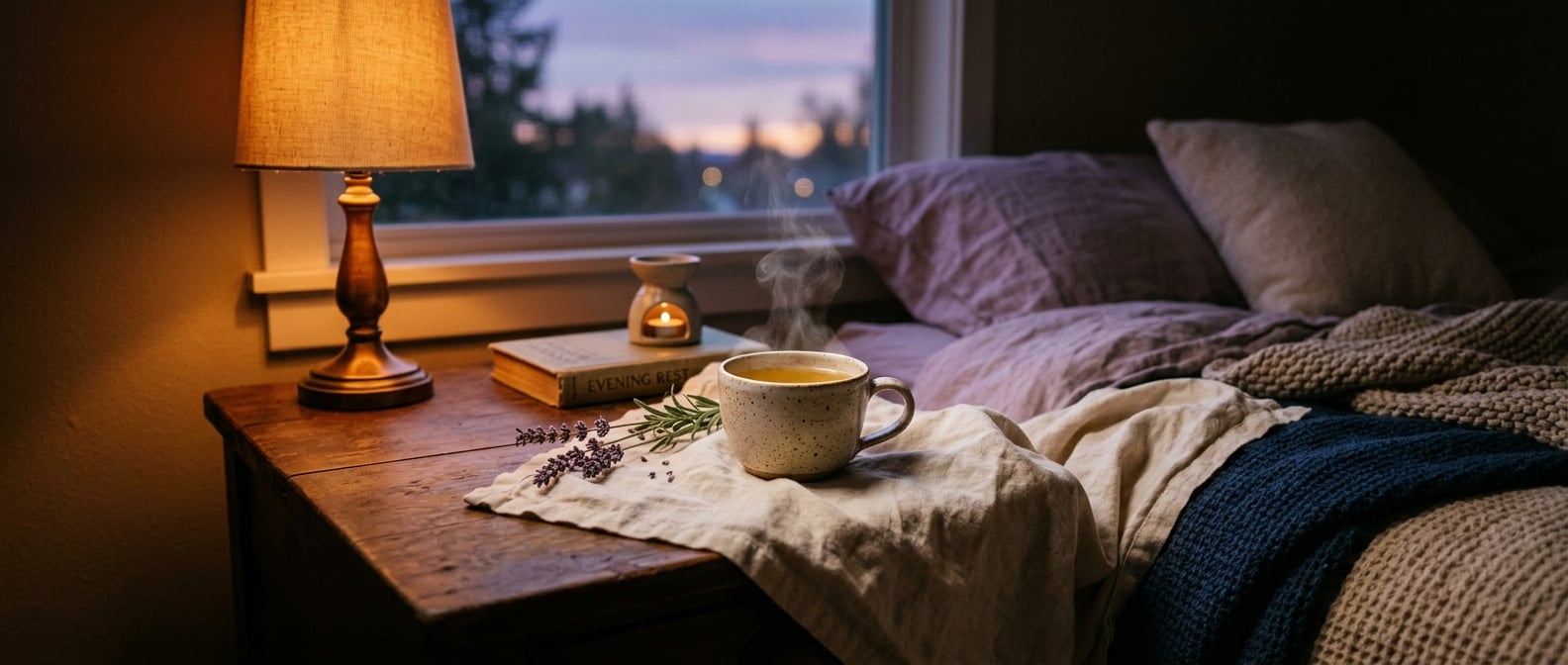
Night sweats in menopause: what's going on
You wake up warm, then damp, then soaked. The pillow is wet, the sheets are twisted, and now you are wide awake at 3 a.m. These are night sweats: episodes of heavy sweating during sleep, often with a sudden wave of heat in the neck, chest and upper body, a faster heartbeat, and then chills as the sweating stops. They are essentially hot flashes that happen at night, and they are #2 in our guide, The 42 Symptoms of Menopause.
Night sweats can show up in perimenopause, often before periods stop, and they can continue for a while afterward. They vary a lot: some people have an occasional warm night, others wake several times.
Why can this happen around menopause?
Estrogen and progesterone help your brain keep your body temperature steady. When those hormones rise and fall unevenly during the menopause transition, your body's "thermostat" becomes more sensitive and can overreact to tiny changes in temperature by sending out heat and sweat. Experts don't know the exact mechanism, but changing hormone levels are the most likely reason.
It is also worth knowing that night sweats are not always about menopause. Some medicines, stress and anxiety, an overactive thyroid, sleep apnea, infections and other health conditions can cause them too, which is why a check-up is sensible if something feels off (see the box below).
Common triggers to notice
These are things many people find can set off or worsen night sweats. Watch for them in your own life:
- A bedroom that is too warm, heavy blankets or synthetic or flannel pajamas
- Spicy meals, caffeine, alcohol or sugary foods and drinks, especially in the evening
- Hot baths or showers right before bed
- Intense exercise close to bedtime
- A stressful day or a mind that won't switch off
Gentle things to try
These are comfort ideas, not a treatment. They may help some nights more than others.
- Make your bed a cool zone. Many sleep experts suggest a bedroom around 60 to 67°F (15 to 19°C). Use a fan or open a window if you can.
- Layer your bedding. A light top sheet and a blanket you can kick off, rather than one heavy comforter, lets you adjust in seconds.
- Choose breathable fabrics. Loose, lightweight cotton or linen pajamas and sheets, or moisture-wicking fabrics, can feel much cooler. Some people like cooling pillow or mattress covers.
- Keep a cup of cold water by the bed for a sip when you wake up hot.
- Make a quick-change plan. Keep a spare pajama top, a small towel and a dry pillowcase within reach so a soaked night doesn't fully wake you.
- Wind down on the cool side. Finish workouts and heavy or spicy meals a few hours before bed, and take a lukewarm rather than hot shower.
- Calm your nervous system. Stress and anxiety can make hot flashes feel stronger. Try slow, paced breathing with our breathing exercise when you lie down or when you wake up warm, or a few minutes of gentle quiet with Calm. Gentle daytime movement in the Move section can help too.
- Track what you notice. Log your nights in the GoBloomWell symptom tracker along with room temperature, dinner and stress. After a couple of weeks you may see a pattern, and you will have a clear record to share at your appointment. A sample doctor-visit report shows what that looks like.
For more ideas, see our guides on natural remedies for hot flashes and menopause and sleep.
When to see a doctor
Night sweats are common around menopause and are usually not dangerous, but they can have other causes that deserve a check. Talk with your doctor if they keep waking you, soak your clothes or bedding most nights, or don't improve with simple changes. Get checked sooner if they come with a fever, unexplained weight loss, swollen glands, a lump, persistent tiredness, or trouble breathing, or if you are on a new medicine. Bring your tracker notes and a list of everything you take.
You're not alone
Waking up soaked is miserable, and it adds up when sleep is broken night after night. It is a real, well-recognized part of the menopause transition, and many people find it eases over time. A cooler bed, a calmer evening and a good check-up go a long way.
GoBloomWell helps you see how night sweats move with your sleep, stress and cycle, so you can take clear notes to your appointment.
This article is general information, not a diagnosis or medical advice. It does not replace care from your doctor.
Sources: Cleveland Clinic, "Night Sweats" (my.clevelandclinic.org/health/symptoms/16562-night-sweats), medically reviewed 2026 · Cleveland Clinic, "How To Find Relief for Hot Flashes at Night" (health.clevelandclinic.org/hot-flashes-at-night) · Sleep Foundation, "Night Sweats in Women: Causes and How to Stop Them," updated Aug 2026 (sleepfoundation.org/night-sweats/women).