Why the Mediterranean Way of Eating Fits Menopause So Well
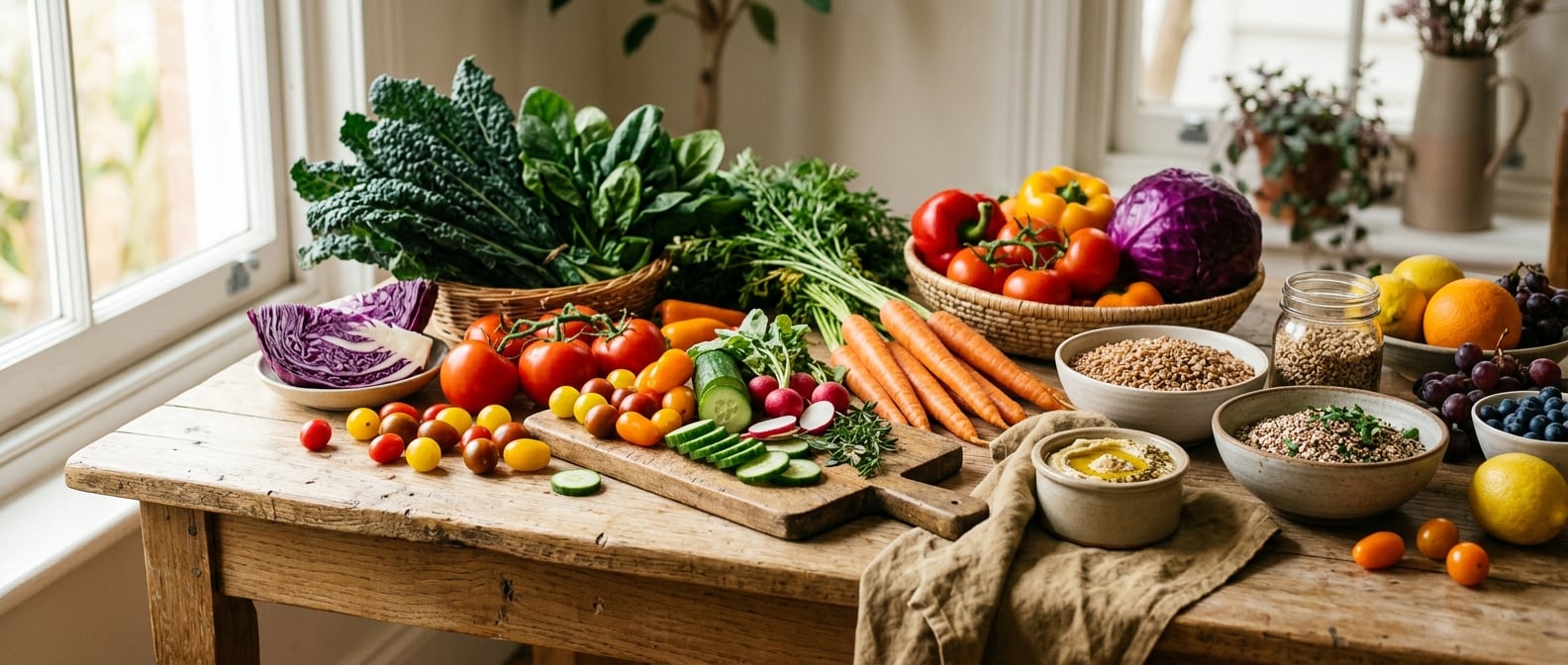
Of all the eating patterns studied for midlife health, the Mediterranean diet stands out — not as a restrictive "diet" but as a warm, generous way of eating built around whole, colorful foods. It is one of the most evidence-backed, natural foundations you can give your body during the menopause transition.
At its heart it is simple:
- Plenty of vegetables, fruits, legumes, nuts, and whole grains
- Extra-virgin olive oil as your main fat
- Fish and seafood a few times a week
- Moderate amounts of yogurt and cheese
- Less red meat, refined sugar, and processed food
How It Helps During Menopause
Fewer and milder symptoms
Women who follow this pattern more closely tend to report lower odds of moderate-to-severe hot flashes and night sweats. The diet is naturally anti-inflammatory, which helps calm the systemic inflammation that can worsen joint pain, mood swings, and vasomotor symptoms.
Kinder to your changing waistline
As estrogen declines, the body tends to lose muscle and store more fat around the middle. The Mediterranean diet gently counters this by:
- Providing protein from fish, legumes, and yogurt to protect lean muscle.
- Using fiber-rich carbs that steady blood sugar and insulin — the hormones that drive belly-fat storage.
- Supporting steady, sustainable energy rather than the crashes that trigger cravings.
A happier gut
Your gut bacteria influence inflammation, mood, and even how your body handles estrogen. The abundance of fiber and plant variety feeds a diverse, healthy microbiome, producing beneficial short-chain fatty acids that support the gut-brain connection and ease bloating.
Long-term heart and bone protection
After menopause, heart disease risk rises as estrogen's protective effect fades. This way of eating consistently improves cholesterol, blood pressure, and insulin sensitivity — protecting your heart for the decades ahead.
Simple Ways to Start This Week
You do not need to overhaul everything at once. Try:
- Swapping butter for olive oil when cooking.
- Adding a handful of nuts or a piece of fruit as a snack.
- Building lunches around beans, lentils, or fish with lots of vegetables.
- Choosing whole grains (oats, brown rice, whole-grain bread) over refined ones.
- Filling half your plate with colorful vegetables at dinner.
The Whole-Body Payoff
The beauty of this approach is how the benefits reinforce each other: steadier blood sugar cools hot flashes, a calmer gut lifts your mood, and anti-inflammatory foods soothe your joints. It is not a quick fix — it is a nourishing foundation you can enjoy for life.
GoBloomWell helps you connect what you eat with how you feel, so you can see the difference these natural changes make. Start tracking for free today.