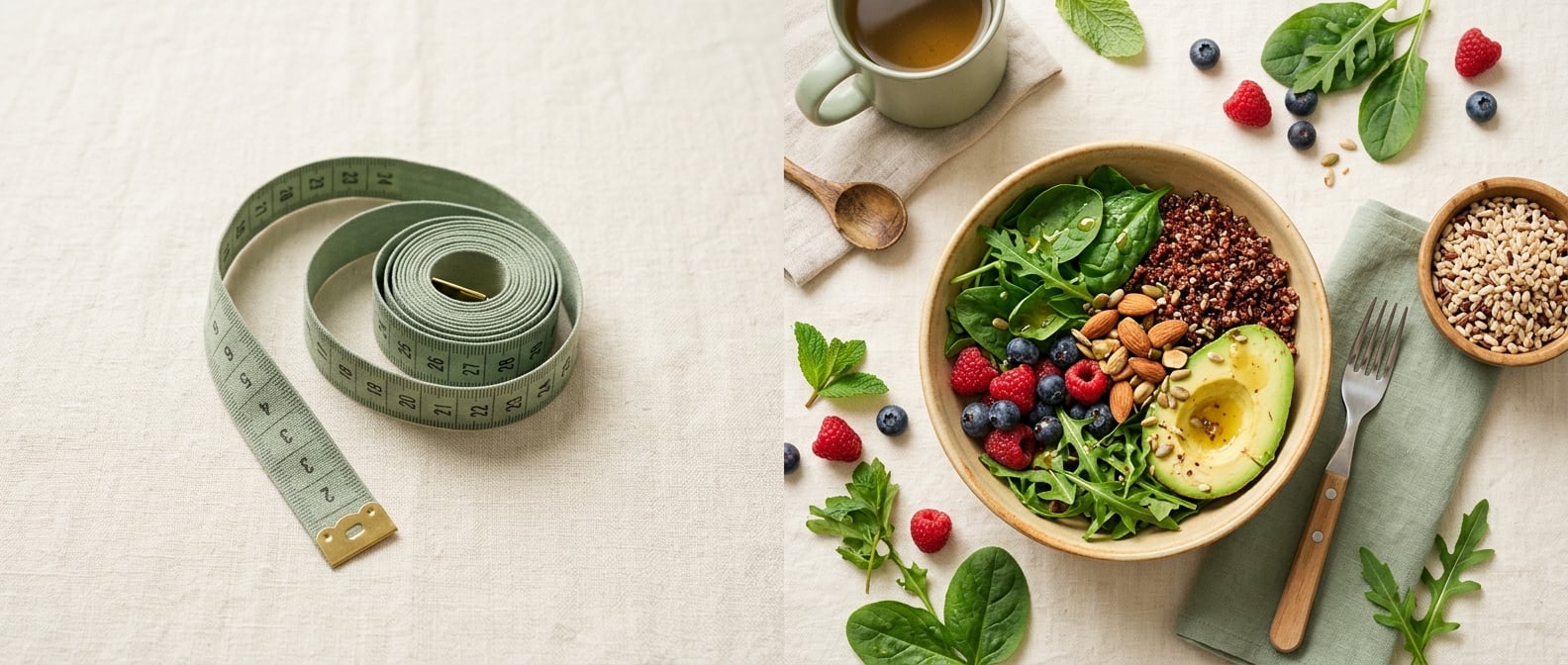
The Menopause Middle: It's Not Your Imagination
You're eating the same foods, doing the same workouts, and yet the scale keeps creeping up — especially around your midsection. If this sounds familiar, here's the most important thing to know: it's not a willpower failure. It's biology.
The average woman gains 5-8 pounds during the menopausal transition, and the way your body distributes fat fundamentally changes. Before menopause, women tend to store fat in the hips and thighs (pear shape). After menopause, fat shifts to the abdomen (apple shape). This isn't just cosmetic — belly fat (visceral fat) wraps around your internal organs and increases health risks.
The Science: Why Menopause Changes Your Body
Estrogen and Fat Distribution
Estrogen plays a major role in where your body stores fat. When estrogen was high, it directed fat storage to your hips and thighs. As estrogen declines during menopause, your body starts storing fat around the abdomen instead — the same pattern typically seen in men.
Metabolic Slowdown
Several factors converge:
- Basal metabolic rate drops by about 4-5% per decade after age 40
- Muscle mass naturally decreases (sarcopenia) — and muscle burns more calories than fat even at rest
- Insulin sensitivity decreases, making your body more likely to store calories as fat
- Cortisol levels tend to rise, promoting belly fat storage
The Cortisol Connection
Menopause often coincides with one of life's most stressful periods — career demands, aging parents, kids leaving home, relationship changes. Chronic stress elevates cortisol, which specifically promotes fat storage in the abdominal area and increases cravings for high-sugar, high-fat comfort foods.
Sleep and Weight
Poor sleep (extremely common during menopause) disrupts the hunger hormones leptin and ghrelin. When you're sleep-deprived, ghrelin (the "hunger hormone") increases and leptin (the "fullness hormone") decreases. The result? You eat more, crave more junk food, and your body stores more fat.
Evidence-Based Strategies That Work
1. Strength Training Is Non-Negotiable
This is the single most impactful change you can make. Strength training:
- Builds and preserves muscle mass, keeping your metabolism higher
- Improves insulin sensitivity
- Strengthens bones (critical as osteoporosis risk increases)
- Reduces visceral belly fat — even without weight loss on the scale
Aim for 2-3 sessions per week. You don't need a gym — bodyweight exercises, resistance bands, or light dumbbells at home all work. Start where you are.
2. Rethink Your Cardio
Steady-state cardio (like walking on a treadmill for an hour) is less effective for menopause weight management than you might think. Instead:
- Walk daily — aim for 7,000-10,000 steps
- Add intervals — short bursts of high intensity followed by recovery periods
- Total: 150-300 minutes of moderate activity per week
3. The Mediterranean Approach to Eating
The Mediterranean diet consistently shows the best results for menopausal women:
- Abundant vegetables and fruits
- Healthy fats — olive oil, avocados, nuts, fatty fish
- Lean proteins — fish, chicken, legumes
- Whole grains — quinoa, oats, brown rice
- Limited processed foods, added sugars, and refined carbohydrates
4. Protein at Every Meal
Protein is critical during menopause because it:
- Preserves muscle mass
- Keeps you feeling full longer
- Has a higher thermic effect (your body burns more calories digesting protein)
Aim for 25-30 grams of protein per meal. Good sources: eggs, Greek yogurt, chicken, fish, tofu, lentils, cottage cheese.
5. Manage Your Stress
Cortisol reduction strategies directly help with belly fat:
- Regular meditation or deep breathing
- Nature walks
- Setting boundaries and saying "no"
- Social connection and laughter
- Limiting news and social media consumption
6. Prioritize Sleep
Getting 7-9 hours of quality sleep:
- Regulates hunger hormones
- Reduces cortisol
- Improves insulin sensitivity
- Gives your body time to recover from exercise
What About HRT and Weight?
Hormone replacement therapy doesn't directly cause weight loss, but research shows it can help prevent the shift of fat to the abdomen. Women on HRT tend to have less visceral fat compared to those who aren't. Discuss this option with your healthcare provider.
What Doesn't Work
- Crash diets — they slow metabolism further and lead to muscle loss
- Extreme calorie restriction — your body goes into conservation mode
- "Spot reduction" exercises — you can't target belly fat with crunches
- Detox teas and supplements — no scientific support for weight loss claims
A Kinder Approach
Your body is going through a massive biological transition. Be compassionate with yourself. Focus on what your body can DO rather than what it looks like. Celebrate strength gains, better sleep, more energy — not just numbers on a scale.
Track your weight, exercise, and nutrition alongside your other symptoms in GoBloomWell. See how everything connects and find what works for YOUR body. Start tracking free.