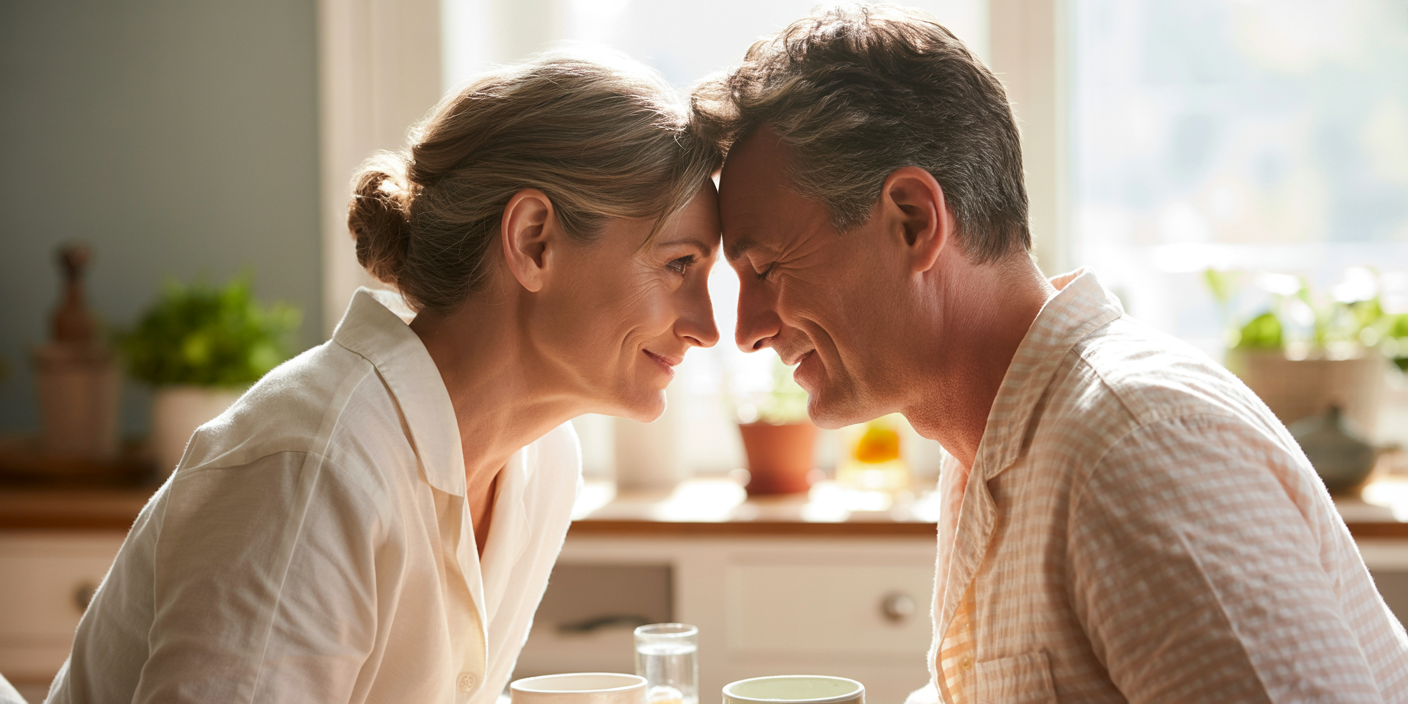
If your interest in sex has quietly faded during perimenopause or menopause, please hear this first: you are not broken, and you are far from alone. A change in sexual desire is one of the most common experiences of this stage of life — and one of the least talked about. Many women feel confused, a little sad, or worried about what it means for their relationship. Those feelings are valid, and the good news is that there is so much you can do.
This is a judgment-free, evidence-based guide to why desire changes and the many gentle ways — natural, medical, and emotional — to feel more like yourself again.
First, What's Actually Normal?
Sexual desire naturally ebbs and flows throughout life, and it very commonly dips during the menopause transition. Surveys consistently find that a large share of women notice reduced desire, arousal, or satisfaction in their 40s and 50s. So if this is you, you are experiencing something deeply ordinary — not a personal failing.
There is even a clinical name for it when the loss of desire is persistent and causes you personal distress: Hypoactive Sexual Desire Disorder (HSDD). The key word there is distress. If your lower libido genuinely doesn't bother you, there is nothing you need to fix. This guide is for when you want your desire back — for yourself, your wellbeing, or your relationship.
Why Desire Changes During Menopause
Low libido at midlife is almost never about one single thing. It's usually several threads woven together:
Hormonal shifts
Falling estrogen and testosterone are major biological drivers. Estrogen supports blood flow and healthy vaginal tissue; testosterone (yes, women have it too) plays a real role in desire and arousal. As both decline, desire can dip.
Physical discomfort — the genitourinary syndrome of menopause (GSM)
Lower estrogen thins and dries the vaginal tissues, which can make sex uncomfortable or even painful (this is called dyspareunia). And when your body starts to associate intimacy with discomfort, desire understandably follows it down. This is one of the most fixable pieces of the puzzle — more on that below.
Exhaustion and broken sleep
Hot flashes and night sweats fragment your sleep, and it is very hard to feel desire when you are running on empty. Fatigue is one of the biggest — and most overlooked — libido thieves.
Mood, stress, and body image
Anxiety, low mood, chronic stress, and shifting feelings about your changing body all quietly dampen desire. Stress in particular raises cortisol, which works against arousal.
Other health factors
Common midlife conditions (thyroid issues, diabetes, high blood pressure) and certain medications — especially some antidepressants (SSRIs) and blood-pressure drugs — can lower libido. This is always worth reviewing with your doctor before assuming it's "just menopause."
Gentle, Natural Ways to Support Your Desire
Many women find real relief through everyday, natural approaches — especially when the cause is stress, fatigue, or mild discomfort. These complement (never replace) your medical care.
Tend to comfort first
If sex hurts, desire cannot flourish. Start here:
- Lubricants (silicone- or water-based) used during intimacy reduce friction and discomfort right away.
- Vaginal moisturizers — including hyaluronic-acid based ones — used regularly (not just before sex) help keep tissues supple and healthy over time.
These simple, over-the-counter tools are genuinely first-line advice, and for many women they change everything.
Move your body
Regular movement boosts blood flow, energy, and mood — all foundations of desire. Cardio supports circulation and arousal; yoga and Pilates ease stress and strengthen the pelvic floor; strength training rebuilds confidence and vitality. Even a daily 10-minute walk counts.
Eat to support your hormones
A balanced, whole-food pattern (think Mediterranean-style) supports hormonal health. Foods rich in phytoestrogens — soy, flaxseed — and plenty of vegetables, healthy fats, and enough protein help steady your energy and mood.
Lower the stress load and stay present
Chronic stress is a desire-killer. Mindfulness, meditation, and slow breathing lower cortisol and, importantly, help you stay present in your body during intimacy rather than lost in your to-do list. Research shows mindfulness genuinely reduces sexual distress.
Protect your sleep
Because fatigue is such a common cause, improving sleep can quietly restore desire. Keep your room cool and dark, wind down without screens, and treat night sweats so they stop stealing your rest.
About herbal supplements
Some women explore maca root, ginseng, or black cohosh for energy and libido. Evidence is mixed and quality varies, so please talk to your doctor or pharmacist before starting anything — especially if you take other medications.
Medical Options That Really Help
When natural steps aren't enough, effective medical treatments exist. There is no shame in using them — this is healthcare, plain and simple.
Vaginal (local) estrogen and DHEA
For dryness and painful sex, low-dose vaginal estrogen (cream, tablet, or ring) revives the tissues directly, with only a small amount absorbed into the body. Intravaginal DHEA (prasterone) is a nightly suppository option. Both are very effective for comfort — and comfort often brings desire back with it.
Ospemifene
An oral, non-hormonal medication approved specifically for moderate-to-severe painful sex caused by vaginal changes.
Menopausal hormone therapy (MHT/HRT)
Systemic hormone therapy treats the whole picture — hot flashes, sleep, mood — and by lifting those, it often indirectly helps desire too.
Testosterone therapy
For postmenopausal women with distressing low desire (HSDD), low-dose testosterone is supported by international menopause guidelines and can improve desire, arousal, and pleasure. Important honesty: it is not currently FDA-approved for women in the U.S., so it's prescribed "off-label" at carefully adjusted (very low) doses, with monitoring. Discuss the benefits and trade-offs with a menopause-informed provider.
FDA-approved desire medications
Flibanserin (Addyi) — a daily pill — and bremelanotide (Vyleesi) — an as-needed injection — act on brain chemistry rather than hormones. They're FDA-approved for HSDD in premenopausal women; use at midlife should be guided by your doctor.
Review your current medications
If you started feeling different after a new prescription, ask your doctor. Sometimes adjusting an antidepressant or blood-pressure medication makes a meaningful difference.
The Emotional Side: Intimacy Is So Much More Than Sex
Desire doesn't live only in your hormones — it lives in how connected, safe, and seen you feel. This part matters just as much as the physical.
Redefine intimacy
Closeness isn't only intercourse. Cuddling, holding hands, massage, a long hug — these release oxytocin, deepen bonding, and take the pressure off "performance." Many couples rediscover each other through gentle, unhurried touch.
Talk openly with your partner
A drop in desire can be misread by a partner as rejection. Naming what's happening — "This is a physical change I'm going through, and it's not about you" — protects your connection. Choose a calm moment, use "I" statements, and invite them to learn about menopause alongside you.
Be patient and curious, together
Libido will ebb and flow. Couples who release the pressure to "get back to normal" and instead stay curious and flexible often find intimacy becomes more authentic, not less.
Consider professional support
Sex therapists, and cognitive behavioral therapy (CBT), and couples counseling are genuinely effective for the emotional and relational side of desire. Reaching out is a sign of strength, not failure.
When to See Your Doctor
Please book a visit if:
- Sex is painful, or dryness isn't improving with moisturizers and lubricants
- Low desire is causing you real distress or straining your relationship
- You suspect a medication or another health condition is involved
- You'd like to explore hormone therapy, testosterone, or prescription options
Ask specifically for a provider who is comfortable with menopause and sexual health — you deserve to be taken seriously.
A Gentle Closing Thought
Your sexuality doesn't end at menopause — it evolves. This can genuinely be a chapter of deeper intimacy, more self-knowledge, and pleasure on your own terms. Go gently, stay curious, and remember there are many paths forward. You deserve to feel connected, comfortable, and alive in your body. 🌸
GoBloomWell helps you track symptoms like low libido, mood, sleep, and dryness day by day — so you can see patterns and have clearer, more confident conversations with your doctor. Start tracking for free today.